

Fire damage public adjuster
Fire Damage Insurance Claims
Fire took your home. Don't let the carrier take your settlement too.
Looking for a fire damage public adjuster near you in Chester, Delaware, Montgomery, Berks, Lancaster, or Lehigh County? Fire losses are among the most underpaid claims in property insurance, carriers routinely miss hidden smoke and soot damage, undervalue contents, and shortchange additional living expenses. We document the full loss and fight for every dollar your policy owes.
Call us 1st before you call your insurance, we handle it all.
The problem with fire claims
Fire damage goes far beyond what you can see.
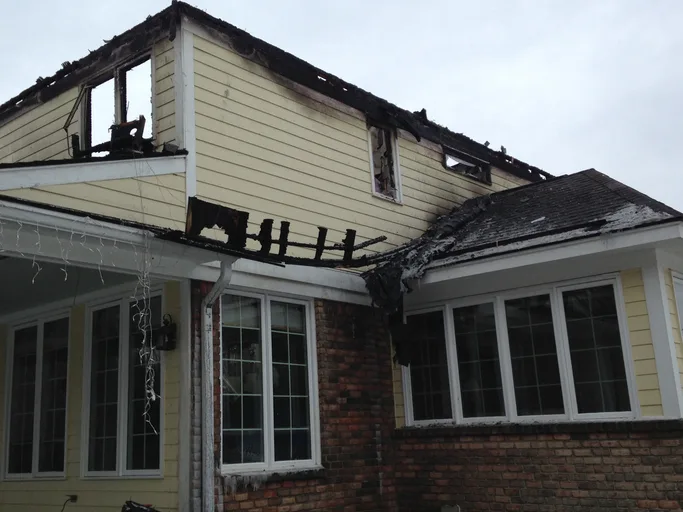
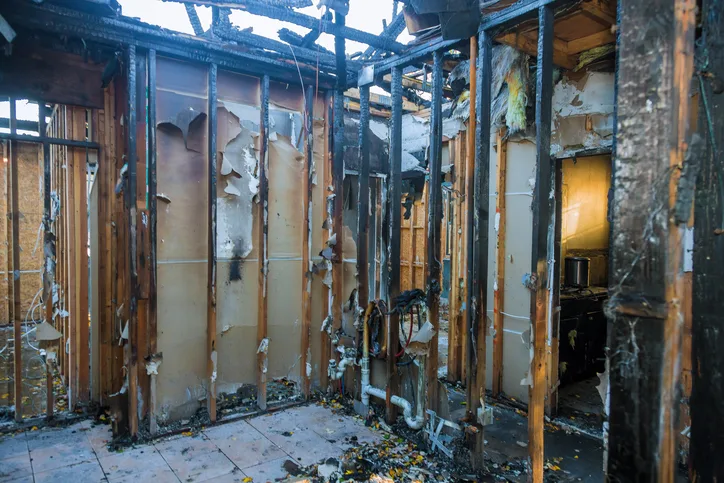
Visible vs. hidden damage. A carrier's field adjuster typically spends a short window on-site, scoping the fire-damaged rooms visually. What gets missed on almost every fire damage insurance claim is smoke infiltration into HVAC systems, insulation, and wall cavities throughout the structure, not just the rooms where the fire burned. By the time a contractor opens those assemblies mid-repair, the first offer is already written.
Soot and odor remediation. Soot is corrosive and continues to damage surfaces, wiring, and finishes after the fire is out, which is why a soot damage insurance claim rarely ends at cleaning. Odor removal often requires specialized ozone or hydroxyl treatment, full HVAC cleaning, and sometimes replacement of porous materials, drywall, insulation, carpet padding, that can't be fully deodorized. Carriers frequently scope cleaning instead of replacement where replacement is actually required, and a smoke damage claim settles for a fraction of the real cost.
Structural and code-driven costs. Older homes rebuilt after fire damage often trigger code upgrades, electrical, fire-blocking, egress, that a carrier's initial estimate doesn't include unless specifically requested and documented. On a house fire insurance claim in Pennsylvania, those code-driven line items alone can move a settlement by tens of thousands of dollars.
Contents and additional living expense (ALE). Fire losses almost always involve significant contents damage and displacement. Contents inventories are frequently underdocumented by policyholders in the chaos immediately after a fire, and ALE, hotel, temporary housing, increased living costs, is capped or underpaid without a clear, ongoing log. If your fire damage claim was denied or came back far below what rebuilding actually costs, these are usually the reasons why.
What we document
A complete scope of your fire loss.
Structural damage
Framing, roofing, and load-bearing repairs, including code-required upgrades.
Smoke and soot damage
Surfaces, HVAC systems, and wall cavities throughout the property, not just the fire's origin point.
Odor and remediation
Professional deodorization scope, not just surface cleaning.
Contents and personal property
Full room-by-room inventory and valuation.
Additional living expense (ALE)
Hotel, temporary housing, and increased cost of living during displacement.
Business interruption
Commercial claims: lost income and operating expenses during closure and rebuild.
Smoke & soot remediation
What smoke and soot remediation actually costs.
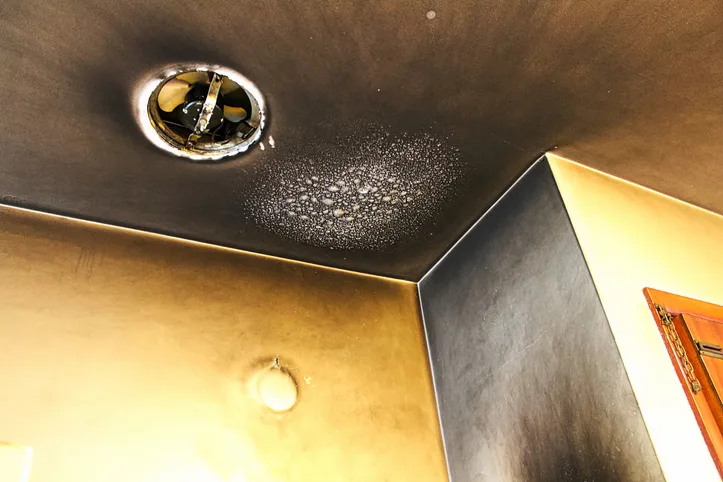
Smoke damage restoration is almost never a single line item. A properly scoped remediation includes containment, HEPA air scrubbing, soot removal from every affected surface, sealing of framing and sheathing, full HVAC duct cleaning, and either ozone or hydroxyl treatment for odor. Each of those is a separate cost, and each is routinely compressed into one undersized "clean and deodorize" allowance on a carrier's first estimate.
Does insurance cover smoke damage? Yes, under a standard homeowners or commercial property policy, smoke and soot damage from a covered fire is covered damage, including in rooms the flames never reached. The dispute is rarely about coverage. It is about scope: how many rooms, whether porous materials get replaced instead of cleaned, and whether the HVAC system is treated at all.
Cleaning is not remediation. Soot is acidic and keeps etching finishes, corroding wiring, and staining surfaces long after the fire is out. Drywall, insulation, carpet padding, and upholstery hold odor permanently once contaminated. When a scope calls for wiping down materials that actually need removal, the settlement is short before negotiation even begins, and you find out during the rebuild.
We price remediation the way the remediation contractor will actually bill it, using the same estimating platforms carriers use, so the scope you are paid on matches the scope your property needs.
How it works
Four steps from damage to settlement.
Step 01
Free claim review
Tell us what happened. We review your policy and damage at no cost.
Step 02
Full documentation
Site inspection, photos, moisture readings and a line-item scope of loss.
Documentation for fire claims typically includes a fire origin/cause report review, moisture and soot testing, and a room-by-room contents inventory in addition to the structural scope of loss.
Step 03
Submit claim and negotiate
We file and submit your claim and handle everything with the carrier.
Step 04
You get paid
Settlement issued on a fully documented claim. No recovery, no fee.
Not sure your offer is fair?
Talk to a licensed public adjuster. Free review, no obligation.
Why Legacy on a fire claim
Fire claims are won in the walls, not at the kitchen table.
A fire loss is the most technical claim most policyholders will ever file: origin and cause reports, soot chemistry, HVAC contamination, code-triggered rebuild costs, contents valuation, and months of additional living expense. We handle all of it, and we only get paid when you do.
- Soot and smoke testing beyond the origin room, HVAC, cavities, insulation
- Origin and cause report review so a carrier's findings don't quietly limit coverage
- Code-upgrade line items priced into the rebuild scope, not discovered mid-repair
- Room-by-room contents inventory rebuilt with you after the fire
- Ongoing ALE logs so hotel and temporary housing costs are fully reimbursed
- Local to Chester County, on-site fast, while the loss is still documentable
What a fire claim actually involves
- Rooms scoped by the carrier vs. rooms affected
- Smoke and odor travel the whole structure. The first estimate rarely does.
- Cleaning vs. replacement
- Porous materials, drywall, insulation, carpet pad, often can't be deodorized and must be replaced.
- Structure vs. contents vs. ALE
- Three separate coverage buckets, each with its own documentation burden and limits.
- First offer vs. full policy obligation
- The gap is usually documentation, not policy language.
Licensed Pennsylvania public adjuster #726839. Contingency fee, nothing owed unless you recover.
Where we work
Fire damage public adjusters in your county.
We are local. That matters on a fire claim, because we know the housing stock, the contractors, and the rebuild costs in each of these communities, and we can be on-site while the loss is still fresh.
Chester County
From West Chester and Downingtown to Coatesville, Oxford, and the Brandywine farm properties, a lot of it pre-1950 balloon-frame construction where fire and smoke travel through wall cavities. We document hidden soot in framing, HVAC, and contents that carriers write off as cleaning.
Delaware County
Dense rowhome and twin blocks in Upper Darby, Ridley, Chester, and Media mean party-wall and neighboring-unit smoke losses. We separate your damage from theirs, price code-required rebuild work, and push back when adjusters call soot-stained rooms 'wipe down only.'
Montgomery County
Norristown, Pottstown, King of Prussia, and Lansdale run from older mill-town housing to high-value newer builds. Rebuild costs here are among the highest we see, and carrier estimates are routinely written at generic county pricing instead of actual local contractor rates.
Berks County
Reading's older brick housing stock and the surrounding rural townships face long volunteer-department response times, which means more structural burn and more water from suppression. We document both, fire damage and the firefighting water damage carriers try to exclude.
Lancaster County
Lancaster city rowhomes, farmsteads, barns, and outbuildings, plus wood-stove and heating-related losses in the rural townships. Agricultural structures and detached buildings are frequently underscheduled on the policy, so we inventory every structure and its contents.
Lehigh County
Allentown, Emmaus, Whitehall, and Macungie, a mix of dense city housing and newer suburban development. Multi-unit and converted properties drive complex smoke migration and loss-of-rent claims, both of which we document alongside the structure.
Google reviews
What our clients say
Real feedback from Pennsylvania homeowners and business owners who called Legacy first about a fire.
Questions after a fire loss.
Still have questions? Contact us for a free claim review.
References
Sources we used
- Insurance Information Institute, Facts and statistics: Fire
Standard homeowners policies cover fire, wind, hail, lightning, and other named perils.
- Insurance Information Institute, Am I Covered?
Smoke and soot damage from a covered fire is generally covered, including in areas the flames did not reach.
- Pennsylvania Insurance Department, Public Adjuster Contract
Public adjusters must use a written, department-approved contract and work on a contingency-fee basis.
Information is for general education and may not reflect your specific policy. Read your declarations page and policy form for exact coverage, limits, and exclusions.
Related claim types
Fire damage claims handled across every county we serve, see the list above.
Call us before you call your insurance company.
Where we work
Serving Chester, Montgomery, Delaware, Berks, Lancaster and Lehigh counties
See how we handle fire damage claims in your county.