

Mold damage public adjuster
Mold Damage Insurance Claims
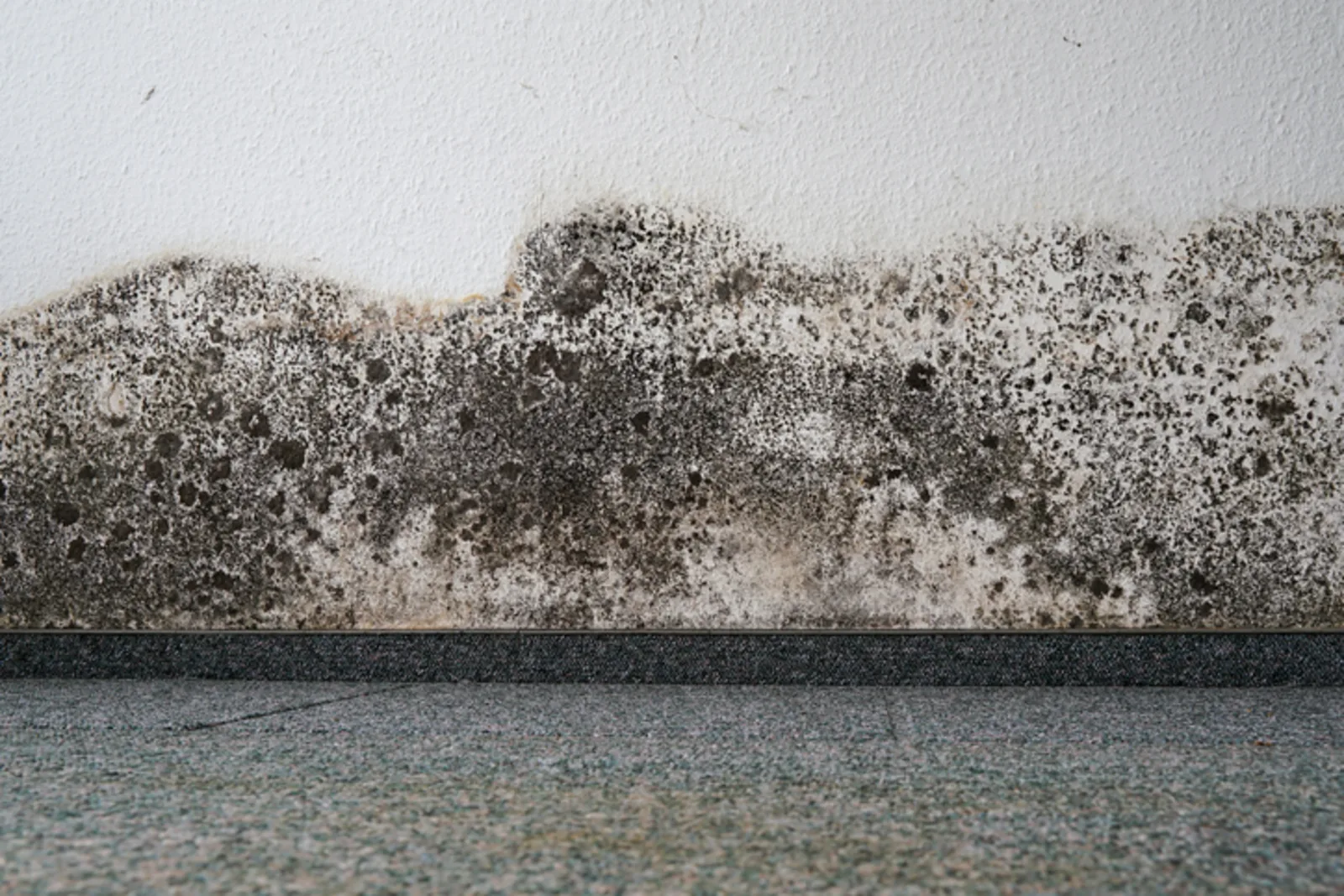
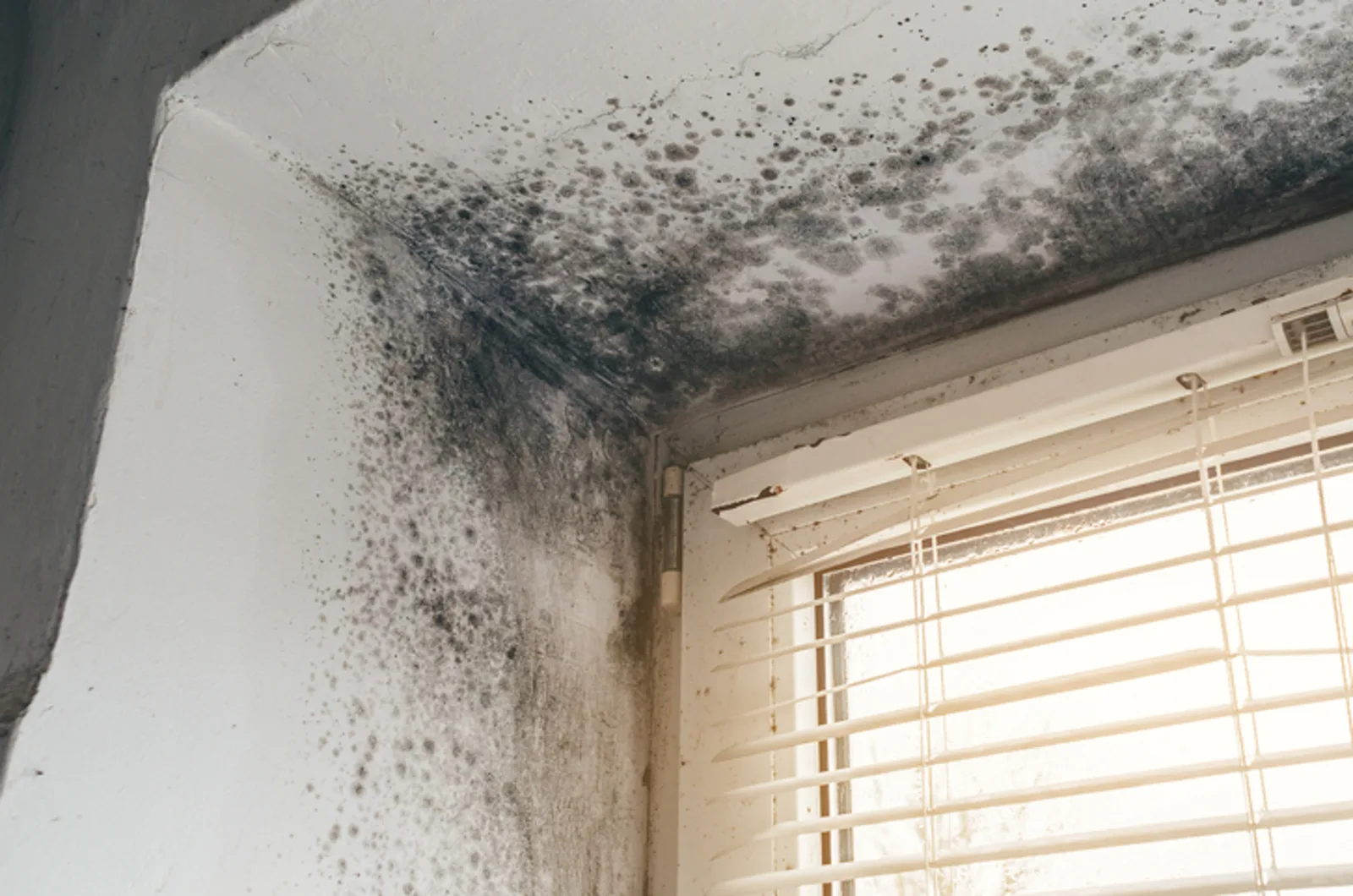
Mold is covered when the water that caused it was.
Looking for a mold damage public adjuster near you in Chester, Delaware, Montgomery, Berks, Lancaster, or Lehigh County? Carriers deny mold claims as "long-term seepage" and cap the rest at a $5,000 fungi sublimit. We document the water source, date the loss, and separate remediation from the rebuild your dwelling limits actually cover.
Call us 1st before you call your insurance, we handle it all.
The problem with mold claims
Mold claims are won or lost on the water, not the mold.
"That's long-term seepage." Nearly every Pennsylvania policy excludes mold from constant or repeated seepage while covering mold that results from a sudden, accidental discharge of water. Carriers know most homeowners cannot prove which one happened. Dating the failure, with the plumbing evidence, moisture pattern, and building history, is the claim.
The fungi sublimit trap. A $5,000 or $10,000 mold sublimit caps remediation, not the water loss behind it. Tear-out, drying, drywall, insulation, flooring, trim, cabinetry, contents, and code work are payable under your dwelling and personal property limits. When everything gets allocated to the sublimit, the claim closes for a fraction of the loss.
"You failed to mitigate." Delay is the carrier's favorite defense. If mold appeared while you were waiting on their adjuster, waiting on a contractor, or away from the property, that timeline needs to be documented, in writing, before the denial letter frames it as neglect.
What the first estimate omits. Containment, negative air, HVAC and duct decontamination, post-remediation clearance testing, contents cleaning or replacement, and the full reconstruction after demolition. A remediation invoice is not a claim scope, and it is not the number you should settle on.
What we document
A complete scope of your mold loss.
The water source
The exact failure point, supply line, appliance, roof, ice dam, or storm intrusion, and when it happened.
Moisture mapping
Meter and thermal readings behind walls, under flooring, and above ceilings to define the wet envelope.
Sampling and lab results
Independent air and surface sampling that establishes spore type, concentration, and containment scope.
Remediation protocol
A written hygienist protocol with containment, tear-out limits, and post-remediation clearance testing.
Reconstruction scope
Drywall, insulation, trim, flooring, cabinetry, and paint that must be rebuilt after demolition.
HVAC and ductwork
Contaminated duct systems, coils, and air handlers that recirculate spores through the whole building.
Contents and cleaning
Porous furniture, textiles, clothing, and stored belongings that cannot be salvaged or must be cleaned.
ALE and loss of rent
Hotel, meals, and storage while the unit is uninhabitable, plus lost rent for owners.
Remediation vs. rebuild
Removing the mold is the cheap half.
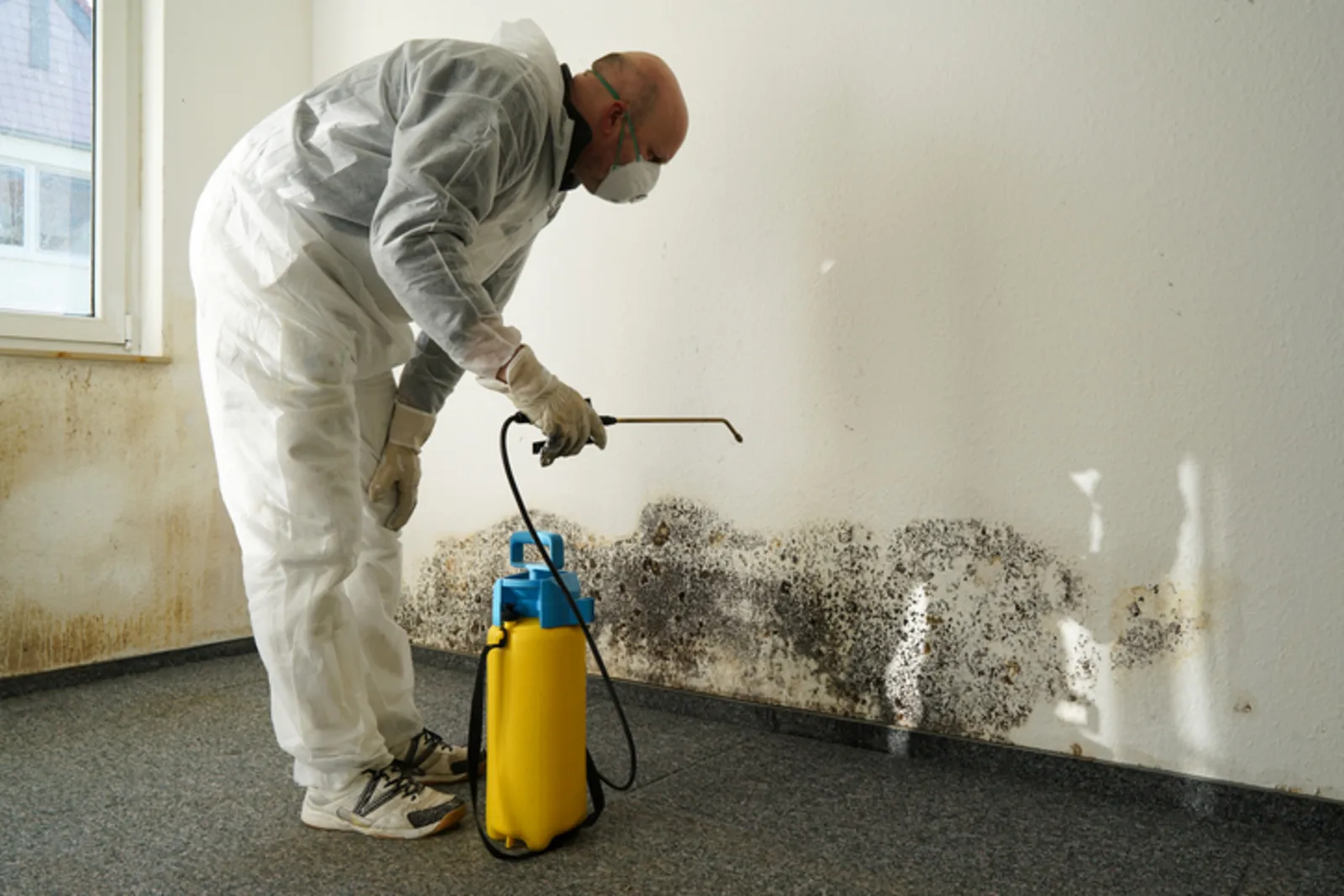
Proper remediation means containment barriers, negative air machines, HEPA filtration, controlled demolition of porous materials, antimicrobial treatment, and independent clearance testing before anyone rebuilds. Each of those is a priced line item, not a lump sum.
Then the house goes back together. Everything the protocol required removed has to be replaced, drywall, insulation, vapor barrier, trim, flooring, cabinetry, tile, and paint, to a uniform finish and to current Pennsylvania code. That work belongs to your dwelling limit, not the fungi sublimit.
You may not be able to live there. Containment in a kitchen, bathroom, or HVAC system frequently makes a home uninhabitable. Additional living expenses for owners and loss of rent for landlords are owed for the full duration, and are almost never volunteered.
How it works
Four steps from discovery to settlement.
Step 01
Free claim review
Tell us where the water came from. We review your policy, sublimits, and the damage at no cost.
Step 02
Source and scope
Moisture mapping, sampling, and a written remediation protocol tied to a dated water event.
Mold documentation includes the identified water source and date of loss, moisture and thermal mapping, independent air and surface sampling, a written remediation protocol, HVAC and contents assessment, and a line-item rebuild scope.
Step 03
Submit claim and negotiate
We file and submit your claim and handle everything with the carrier.
Step 04
You get paid
Remediation and rebuild funded on a documented claim. No recovery, no fee.
Not sure your offer is fair?
Talk to a licensed public adjuster. Free review, no obligation.
Why Legacy on a mold claim
Mold claims are an exclusion fight before they are an estimate.
We start where the carrier starts, with the cause and the calendar. Once the water event is established and dated, we build the protocol, allocate remediation against the sublimit correctly, and price the reconstruction under your dwelling limits. We only get paid when you do.
- Water source identified and dated to defeat seepage and repeated-leakage exclusions
- Independent hygienist sampling and a written remediation protocol, not a contractor invoice
- Fungi sublimit allocated correctly so the rebuild is paid from dwelling coverage
- HVAC, ductwork, insulation, and cavity contamination included in the scope
- Contents, textiles, and unsalvageable porous belongings inventoried and valued
- ALE and loss of rent claimed for the entire containment and reconstruction period
What a mold claim actually turns on
- Sudden discharge vs. repeated seepage
- This single characterization decides whether anything is covered at all.
- The fungi sublimit
- A $5,000 cap on remediation is not a cap on the water loss behind it.
- Clearance testing
- Without a passed post-remediation test, the rebuild is exposed to a repeat claim.
- Mitigation timeline
- Documented notice and response dates neutralize the neglect argument.
Licensed Pennsylvania public adjuster #726839. Contingency fee, nothing owed unless you recover.
Where we work
Mold damage public adjusters in your county.
Housing age, basement construction, and plumbing vintage drive mold risk, and they differ street to street across southeastern Pennsylvania.
Chester County
Stone and plaster homes around West Chester, Kennett Square, and the Brandywine valley sit on damp fieldstone foundations, and finished basements in Exton, Malvern, and Downingtown hide slow supply-line leaks for weeks. We date the water event so the claim isn't dismissed as groundwater or humidity.
Delaware County
Party walls in Upper Darby, Ridley, Media, and Chester move moisture between units, so mold from a neighbor's leak becomes your problem. We establish the source unit, the date, and which policy owes the remediation and the rebuild.
Montgomery County
Norristown, Pottstown, Lansdale, and King of Prussia finished lower levels combine creek-corridor moisture with high-end flooring, cabinetry, and built-ins. Tear-out costs here blow past a $5,000 fungi sublimit quickly, which is why allocation matters more than the mold invoice.
Berks County
Reading's older brick and stone housing and the Schuylkill corridor townships pair failing cast-iron and galvanized plumbing with chronically damp cellars. We separate covered sudden discharge from excluded seepage before the carrier picks for us.
Lancaster County
Farmhouses, converted barns, and well-and-septic properties in the rural townships can run a pump or supply failure for hours unnoticed, and crawl spaces stay wet long after. We scope crawl space, cavity, and outbuilding contamination adjusters skip.
Lehigh County
Allentown, Emmaus, Whitehall, and Macungie multi-unit and converted buildings share HVAC and stack chases, so one leak contaminates several units. We document duct and cavity spread plus ALE and loss of rent for the containment period.
Google reviews
What our clients say
Real feedback from Pennsylvania homeowners and business owners who called Legacy first about mold damage.
Questions after finding mold.
Still have questions? Contact us for a free claim review.
References
Sources we used
- ISO Form HO 04 26, Limited Fungi, Wet or Dry Rot, or Bacteria Coverage
Standard homeowners policies commonly cap mold/fungi remediation under a separate sublimit.
- Insurance Information Institute, Am I covered?
Mold following a covered water loss may be covered; mold from long-term seepage is generally excluded.
- Pennsylvania Insurance Department, Public Adjuster Contract
Public adjusters must use a written, department-approved contract and work on a contingency-fee basis.
Information is for general education and may not reflect your specific policy. Read your declarations page and policy form for exact coverage, limits, and exclusions.
Related claim types
Mold damage claims handled across every county we serve, see the list above.
Call us before you call your insurance company.
Where we work
Serving Chester, Montgomery, Delaware, Berks, Lancaster and Lehigh counties
See how we handle mold damage claims in your county.