

Water damage public adjuster
Water Damage Insurance Claims
The water stopped. The damage didn't.
Looking for a water damage public adjuster near you in Chester, Delaware, Montgomery, Berks, Lancaster, or Lehigh County? Burst pipes, failed supply lines, roof leaks, and basement flooding produce some of the most disputed claims in property insurance, carriers argue the loss was gradual, cap mold coverage, and scope drying without ever pricing the rebuild. We document the full loss and fight for every dollar your policy owes.
Call us 1st before you call your insurance, we handle it all.
The problem with water claims
Water travels. Carrier estimates usually don't.
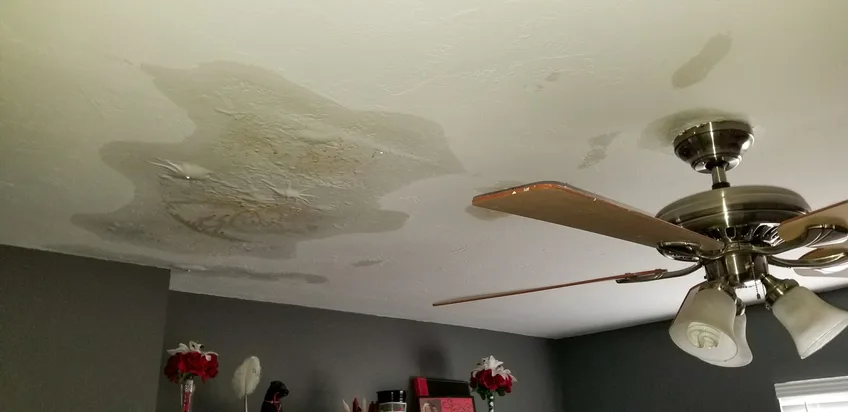
Sudden vs. gradual. Nearly every disputed water damage insurance claim comes down to one question: was the loss sudden and accidental, or long-term seepage? A carrier that classifies your loss as gradual can deny it outright under a wear-and-tear or maintenance exclusion. That determination is made from photographs, moisture readings, and plumbing evidence gathered in the first days, which is why documentation, not argument, wins these claims.
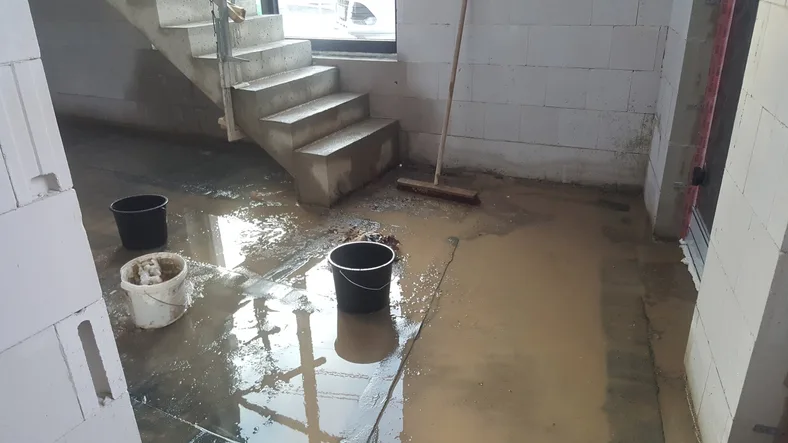
Drying is not rebuilding. When a mitigation company extracts water and sets air movers, the carrier often treats those invoices as the claim. Mitigation is one phase. The reconstruction phase, replacing drywall, insulation, flooring, subfloor, cabinetry, trim, and paint, is a separate, much larger scope, and it is routinely missing or drastically undersized on a first offer.
Hidden migration. Water runs along joists, wicks up drywall, and pools under flooring and in wall cavities far from the source. A short visual inspection cannot find it. Without meter and thermal documentation, affected assemblies get left out of the estimate entirely, and surface again months later as buckled flooring, stained ceilings, or mold.
Mold sublimits and delayed reporting. Many Pennsylvania policies cap mold remediation at a fixed sublimit, and carriers regularly argue that mold growth resulted from a policyholder's delay rather than the covered water event. If your water damage claim was denied or came back far below what repairs actually cost, one of these four issues is almost always the reason.
What we document
A complete scope of your water loss.
Source and cause of loss
Proving the water event was sudden and accidental, the single issue most denials turn on.
Moisture mapping
Meter and thermal readings behind walls, under flooring, and into subfloor and framing.
Reconstruction scope
Drywall, flooring, cabinetry, trim, and paint priced as replacement, not spot repair.
Mold and secondary damage
Remediation scope documented before a carrier can call it a maintenance issue.
Contents and personal property
Room-by-room inventory of everything the water reached, including stored items.
Additional living expense (ALE)
Temporary housing and increased living costs while your home is dried and rebuilt.
Business interruption
Commercial water losses: lost income and operating expenses during closure.
Mitigation invoices
Drying, extraction, and equipment charges reviewed line by line against the carrier's allowance.
Mitigation & restoration
What water damage restoration actually costs.

A properly scoped water loss has two halves. Mitigation covers emergency extraction, containment, antimicrobial application, dehumidifiers and air movers billed per unit per day, and monitoring visits until the structure reaches dry standard. Restoration covers everything that has to be rebuilt afterward: flood cuts and drywall replacement, insulation, subfloor, hardwood or tile, cabinetry, trim, and full-room paint so finishes actually match.
Where the carrier's number comes up short. Common shortfalls we find: drying equipment days trimmed below what the moisture logs justify, flooring repaired in one room when the material runs continuously through three, cabinetry refinished when the particleboard has already swelled, and no line item at all for detach-and-reset of fixtures, toe kicks, or baseboard.
Matching, code, and secondary damage. Pennsylvania rebuilds frequently trigger code items, electrical, insulation values, egress in finished basements, that never appear on a first estimate unless specifically documented. Add mold remediation, contents cleaning, and additional living expense during displacement, and the difference between a first offer and a fully documented claim is often measured in tens of thousands of dollars.
We price both phases the way the mitigation and reconstruction contractors will actually bill them, using the same estimating platforms carriers use, so the scope you are paid on matches the scope your property needs.
How it works
Four steps from damage to settlement.
Step 01
Free claim review
Tell us what happened. We review your policy and damage at no cost.
Step 02
Full documentation
Site inspection, moisture readings, photos and a line-item scope of loss.
Documentation for water claims typically includes moisture meter and thermal imaging readings, daily drying logs, plumbing failure evidence, and a room-by-room contents inventory alongside the rebuild scope.
Step 03
Submit claim and negotiate
We file and submit your claim and handle everything with the carrier.
Step 04
You get paid
Settlement issued on a fully documented claim. No recovery, no fee.
Not sure your offer is fair?
Talk to a licensed public adjuster. Free review, no obligation.
Why Legacy on a water claim
Water claims are won with readings, logs, and a source you can prove.
A water loss is decided on evidence gathered while the property is still wet: where the water came from, how far it traveled, how long it took to dry, and what has to be rebuilt as a result. Miss that window and the carrier's version of your claim becomes the only version. We build ours from day one, and we only get paid when you do.
- Cause-of-loss documentation that defends against gradual-damage and maintenance denials
- Moisture mapping and thermal imaging into cavities, subfloor, and framing
- Mitigation invoices audited against drying logs, not accepted at face value
- Full reconstruction scope, including matching, detach-and-reset, and code items
- Mold remediation documented early, before a sublimit argument starts
- Local to Chester County, on-site while the loss is still measurable
What a water claim actually involves
- Sudden and accidental vs. gradual seepage
- One classification decides whether your loss is covered at all.
- Mitigation vs. reconstruction
- Drying invoices are phase one. The rebuild is the larger, often-missing scope.
- Water reached vs. water documented
- Cavities, subfloor, and adjoining rooms only get paid if they're measured.
- Mold sublimit vs. actual remediation cost
- Timing and moisture records determine how much of it the carrier owes.
Licensed Pennsylvania public adjuster #726839. Contingency fee, nothing owed unless you recover.
Where we work
Water damage public adjusters in your county.
We are local. That matters on a water claim, because we know the housing stock, the plumbing and basement conditions, and the rebuild costs in each of these communities, and we can be on-site while the property is still wet.
Chester County
Older homes in West Chester, Phoenixville, and Kennett Square still run galvanized and early copper supply lines that fail without warning, and finished basements in Exton and Malvern flood fast. We prove the loss was sudden, not the 'long-term seepage' carriers reach for.
Delaware County
Rowhome party walls in Upper Darby, Ridley, and Chester spread water between units, and the county's aging sewer and storm systems drive backup losses. We check for the sewer/drain backup endorsement and document the full path of the water.
Montgomery County
Norristown, Pottstown, Lansdale, and King of Prussia see Schuylkill and Perkiomen creek flooding, plus supply-line breaks in higher-value finished lower levels. High-end flooring, cabinetry, and built-ins are where carrier estimates fall furthest short.
Berks County
Reading's older brick and stone homes and the Schuylkill River corridor townships combine failing plumbing with basement groundwater intrusion. We separate covered sudden discharge from excluded seepage so the claim doesn't get denied on the wrong cause.
Lancaster County
Farmhouses, converted barns, and rural properties on well systems, pump and supply failures can run for hours before anyone finds them. We document drying, structural moisture readings, and the outbuildings adjusters skip.
Lehigh County
Allentown, Emmaus, and Whitehall multi-unit and converted properties turn one burst pipe into several units of damage plus lost rent. We scope every affected unit and include ALE and loss-of-rent in the claim.
Google reviews
What our clients say
Real feedback from Pennsylvania homeowners and business owners who called Legacy first about a water loss.
Questions after a water loss.
Still have questions? Contact us for a free claim review.
References
Sources we used
- Insurance Information Institute, Am I covered?
Sudden and accidental water damage is generally covered; flooding and long-term seepage are not.
- ISO Form HO 04 26, Limited Fungi, Wet or Dry Rot, or Bacteria Coverage
Standard homeowners policies commonly cap mold/fungi remediation under a separate sublimit.
- Pennsylvania Insurance Department, Public Adjuster Contract
Public adjusters must use a written, department-approved contract and work on a contingency-fee basis.
Information is for general education and may not reflect your specific policy. Read your declarations page and policy form for exact coverage, limits, and exclusions.
Related claim types
Water damage claims handled across every county we serve, see the list above.
Call us before you call your insurance company.
Where we work
Serving Chester, Montgomery, Delaware, Berks, Lancaster and Lehigh counties
See how we handle water damage claims in your county.